Last year when one of our [cloud] members suggested we do a group reading of The Fold by Gilles Deleuze, my first response was ‘Yes!’ A millisecond later, I wondered how on earth I would guide a group of artists through the complexities of The Fold. By all accounts, The Fold is not one of Deleuze’s easier books to comprehend, but it is remarkable for the strategy he used to explain the central premise of his own philosophy by drawing a portrait of the seventeenth-century philosopher Gottfried Wilhelm Leibniz. Without going into the depths, Leibniz was influential in the development of the Deleuzian notion that events are objects — or rather that all objects are events — not because of what they are, but because of the relationships they influence and which influence them. Said another way, events are inflection points where change happens.

There is no better way to demonstrate this than through the example of baroque-ness Deleuze used in The Fold. This is not the historical fact of the Baroque period. Rather, it is a quality or groups of qualities that manifest themselves as a baroque idea.  For example:

  • interior and exterior as continuous rather than opposed.
  • matter and thought as endlessly inflecting one another.
  • subjectivity as layered, pleated, and in process.
  • the world as something that bends, curves, gathers and disperses.

For Deleuze, ‘we are all constantly traversed by actions, events, words, passions and perceptions. Indeed, we are nothing but clusters of “powers to affect and to be affected”’ (Lœrke, 2010:29). In this view, the individual is an expressive force, and the individual is that object which expresses the world, thereby bringing the world into existence. This means the world in which we live is folded into us, and we bring this world into existence through our inner perception — and the ultimate expression — of it. Which brings us to The Fold exhibition.

We are living through several high-stakes inflection points of change in our world: the development of machine-learning, the shifting of political alliances, global warming and environmental degradation, the imminent threat of pandemics, and so many others. It is a good time to explore The Fold through a contemporary lens. Artists were asked to consider those notions of baroque-ness and Deleuzian philosophy in The Fold for our time. The Fold exhibition is their response!

In The Fold, Deleuze gives an example of a house structure with a ground floor of windows and doors. This shows how influences flow in and out of our consciousness creating the conditions for change. But then on the upper level, there are no windows or doors because this is symbolic of the higher self where ideas from the influences below ferment and become our thinking, acting, self.

We have used this structure to organise the exhibition, but we have added a third level. Between the ground and the mind is the body through which these influences are experienced as material sensation, and affective actions and responses. So, you will see three sections in the exhibition:

  • Section 1: The windowless upper chamber where the mind, imagination and ideas become active.
  • Section 2: Between the upper chamber and the lower chamber to come is the BODY and its material forms.
  • Section 3: The windowed lower chamber where influences enter and affect.

Between each section is a transition because baroque-ness demands a fold, or a transition, from one state of being to another represented in these three sections.

The Fold is infinite change; our challenge is finding the resilience to flow with the change. Thank you to all the artists who have shared their creative vision and insight for The Fold. Thank you to Dr Gemma Marmalade who has worked with me in the background to develop this exhibition. And a warm thank you to Dr Jane Robb who is planning an exciting de-symposium — more on that later!

Dr Jane Boyer
Director of Virga Gallery

—The FOLD—

Section 1: The windowless upper chamber where the mind, imagination and ideas become active

Click on any image to see a full-sized view.

Emotions and the Self 2 ©Wendy Moody, an abstract figure clothed in multi-coloured textures that flutter and billow.
Emotions and Multiplicity of the Self 2 ©Wendy Moody. Photography, textures, and digital collage.

Emotions and the Self ©Wendy Moody, an abstract figure clothed in multi-coloured fabric that flutters and billows.
Emotions and Multiplicity of the Self 1 ©Wendy Moody. Photography, textures, and digital collage.
f/olding ©Susan Sentler, a dancer's bowed head draped in shimmer grey folds of fabric.
f/olding ©Susan Sentler. Photography.

Washed 04 ©Véronique Mermaz, an abstract lithographic print in shades of grey and pink.
Washed #4 ©Véronique Mermaz. Lithography.

Abstract #574 ©Jose Castro, an abstract digital collage in shades of gold, silver, bronze, and sky blue.
Abstract #574 ©Jose Castro. Digital photomontage.

Untitled #8 ©Sasha Dixon. Video art.
The Fold of Light ©Yua Ye. Video art.

Transition 1: To the body

Corners 1 ©Natasha Fontenelle, abstract painting in shades of white, black, blue, red, and grey.
Corners #1 ©Natasha Fontenelle. Mixed media collage – layered and stitched fabrics, paint, discarded domestic curtains


Section 2: Between the upper chamber and the lower chamber to come is the BODY and its material forms

Untitled #5 ©Ian Simpson, an abstract black and white photographic form that looks like a rock wrapped in cloth.
Untitled #5 ©Ian Simpson. Photograph, digital inkjet print.

No vestige of a beginning, no prospect of an end ©Jane Robb, black and white digital photograph of a hand holding textured pebbles.
No vestige of a beginning, no prospect of an end ©Jane Robb. Digital photography and pen and ink collage. 

Liminus ©Lisa Snook, an abstract bronze form that looks like malleable clay.
Liminus ©Lisa Snook. Bronze.
entangled f/olded script ©Susan Sentler, black and white photograph of two clothed and entwined bodies taken from above with poetic text.
Entangled f/olded script ©Susan Sentler. Photography and text.

While you were sleeping ©Andrea Coltman, grisaille painting of a crouching male labourer with a mohawk haircut and three neaon pink and orange diagonal lines on an otherwise unpainted raw canvas
While you were sleeping ix ©Andrea Coltman. Oil and
fluorescent tape on linen.
Revealed/Concealed ©Naomi Morris. Video art.
Face down mouth open but lips pursed five-minute mouth exposure ©Megan Carnrite, deep red photograph made from the heat of the body rather than from a negative exposure.
Face down mouth open but lips pursed five-minute mouth exposure ©Megan Carnrite. Chromogenic print.

Paper in mouth slightly folded back on platform facing up ©Megan Carnrite, a glowing red photograph made from the heat of the body rather than from a negative.
Paper in mouth slightly folded back on platform facing up ©Megan Carnrite. Chromogenic print.
Untitled 2 ©Mary Shaheen, a black, rose pink, and sky blue Rorscharch-like painting in the fold of scrolled paper.
Untitled #2 ©Mary Sheehan. Mixed media including paper, acrylic paint, ink, bleach.

Sandwich Foil 3 ©Alan Jenkins, an abstract intaglio print made from sandwich foil.
Sandwich foil #3 ©Alan Jenkins. Drypoint and foil on copper printed on Hahnemühle 300g etching paper.

Transition 2: To the lower chamber
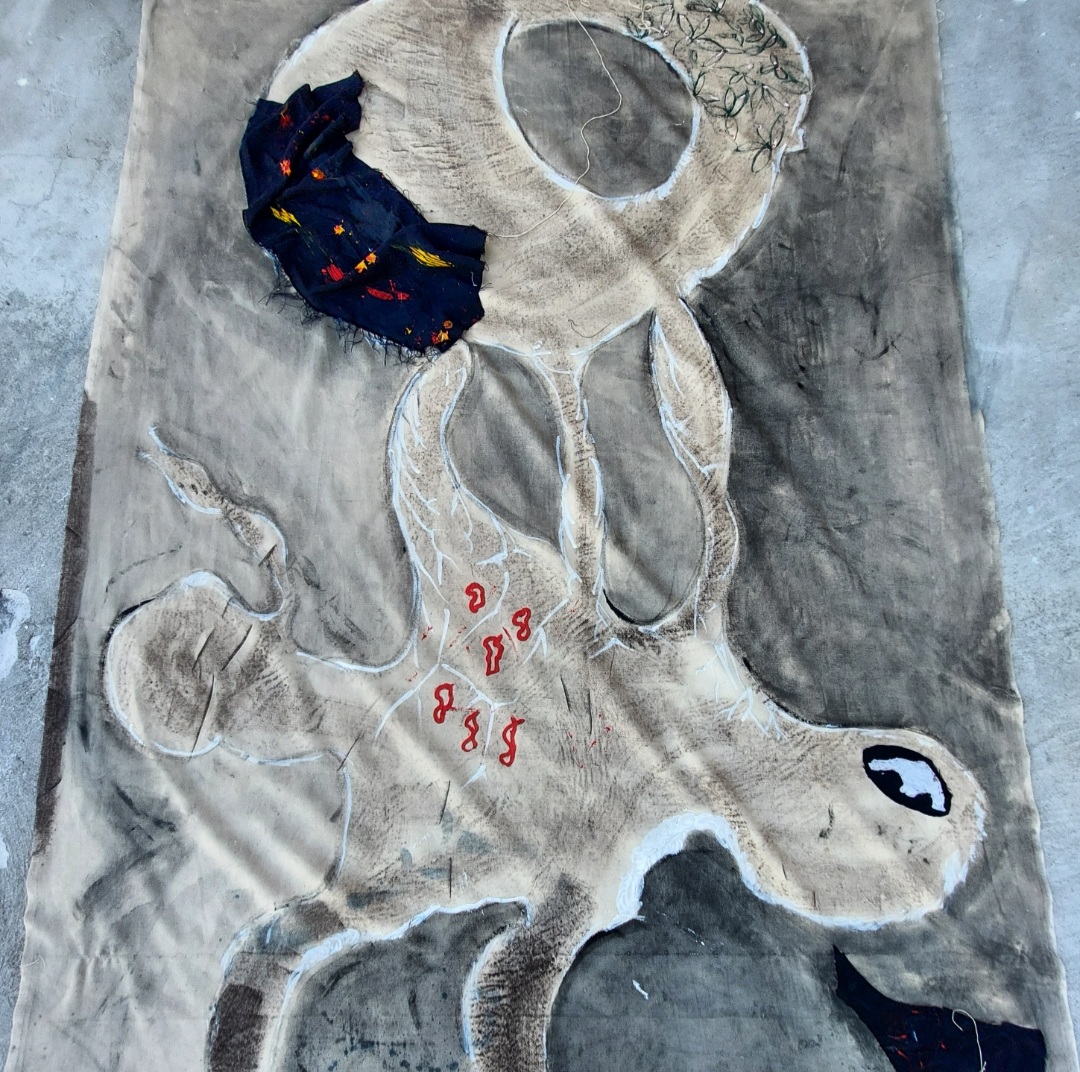
Corners 4 ©Natasha Fontenelle, an abstract figure in shades of white, black, pale blue, red, and grey.
Corners #4 ©Natasha Fontenelle. Mixed media collage – layered and stitched fabrics, paint, discarded domestic curtains.

Section 3: The windowed lower chamber where influences enter and affect
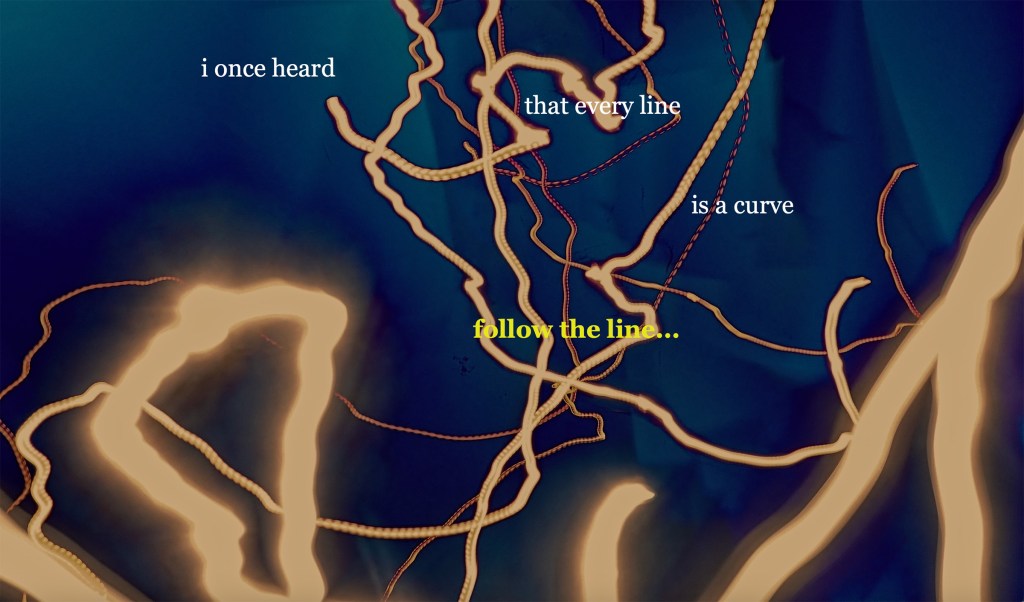
Line ©Jane Robb. Game poem.
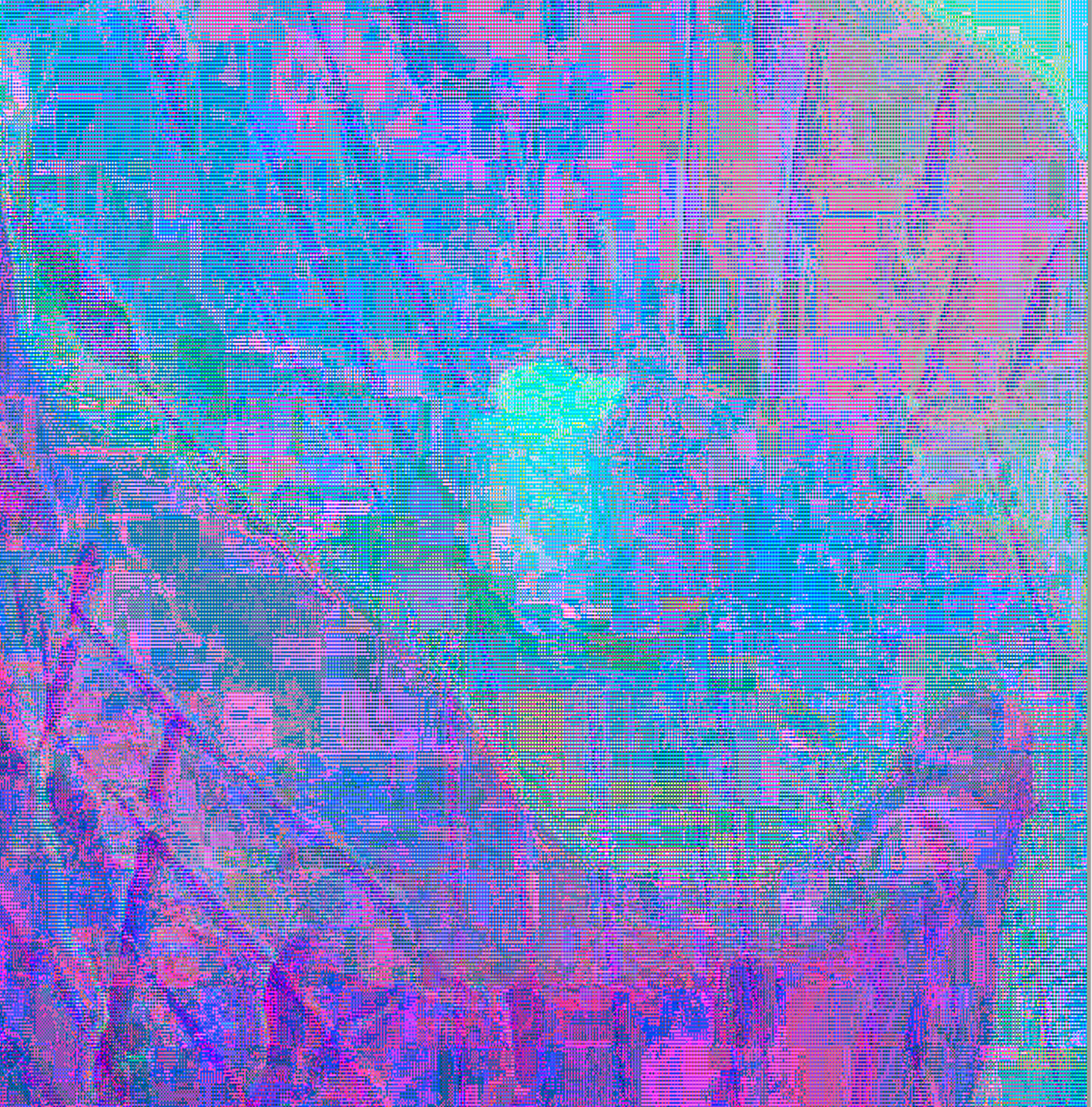
Through you ©Svetlana Atlavina, abstract digital image in shades of magenta, cyan, blue, and pink.
Through you ©Svetlana Atlavina. Digital glitch.

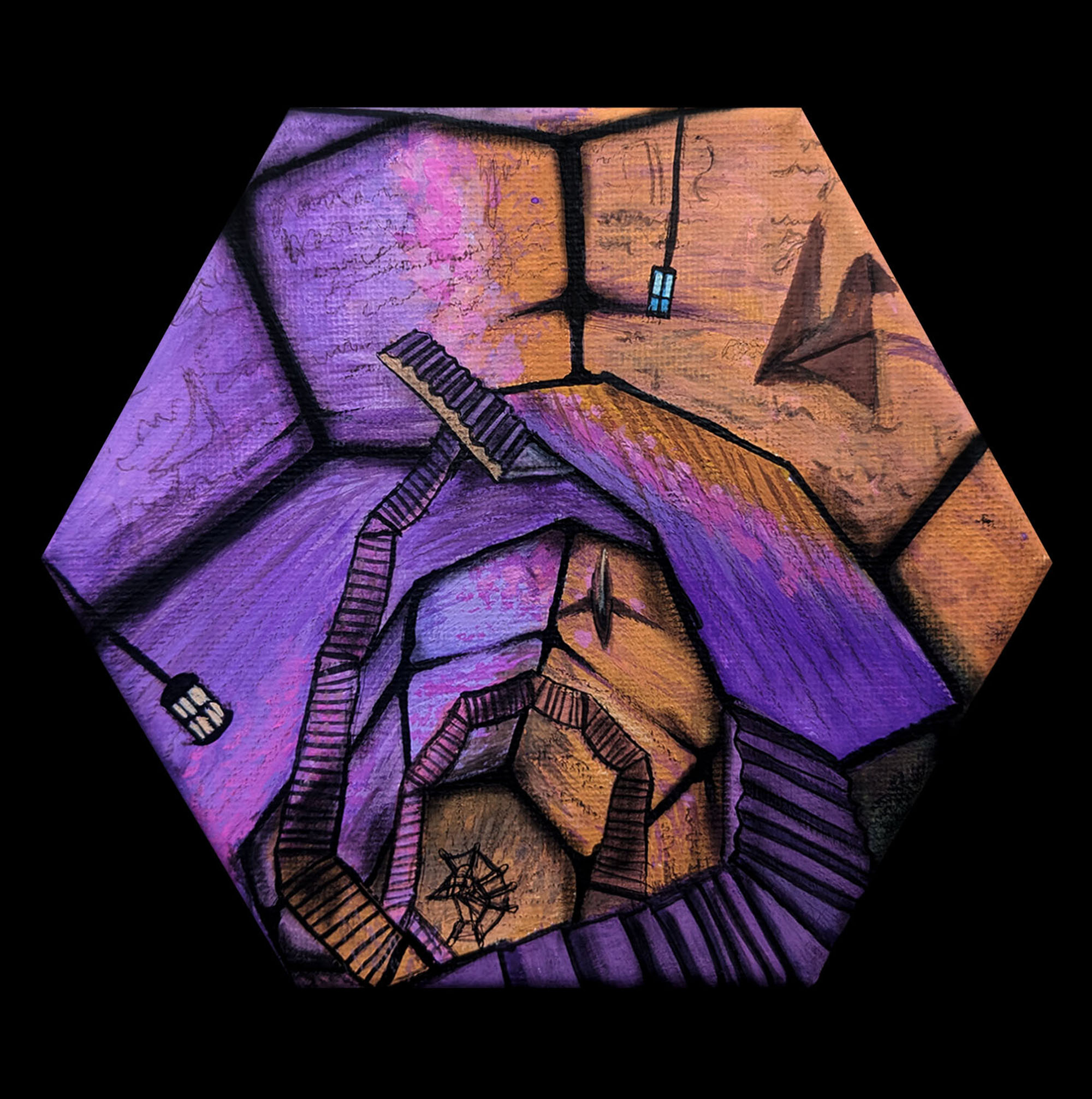
The Polyhedron ©Laurel Stevens, an Escheresque painting of winding stairs and levels in purple and orange painted in a polyhedron shape on a black square
The polyhedron ©Laurel Stevens. Acrylic on canvas.

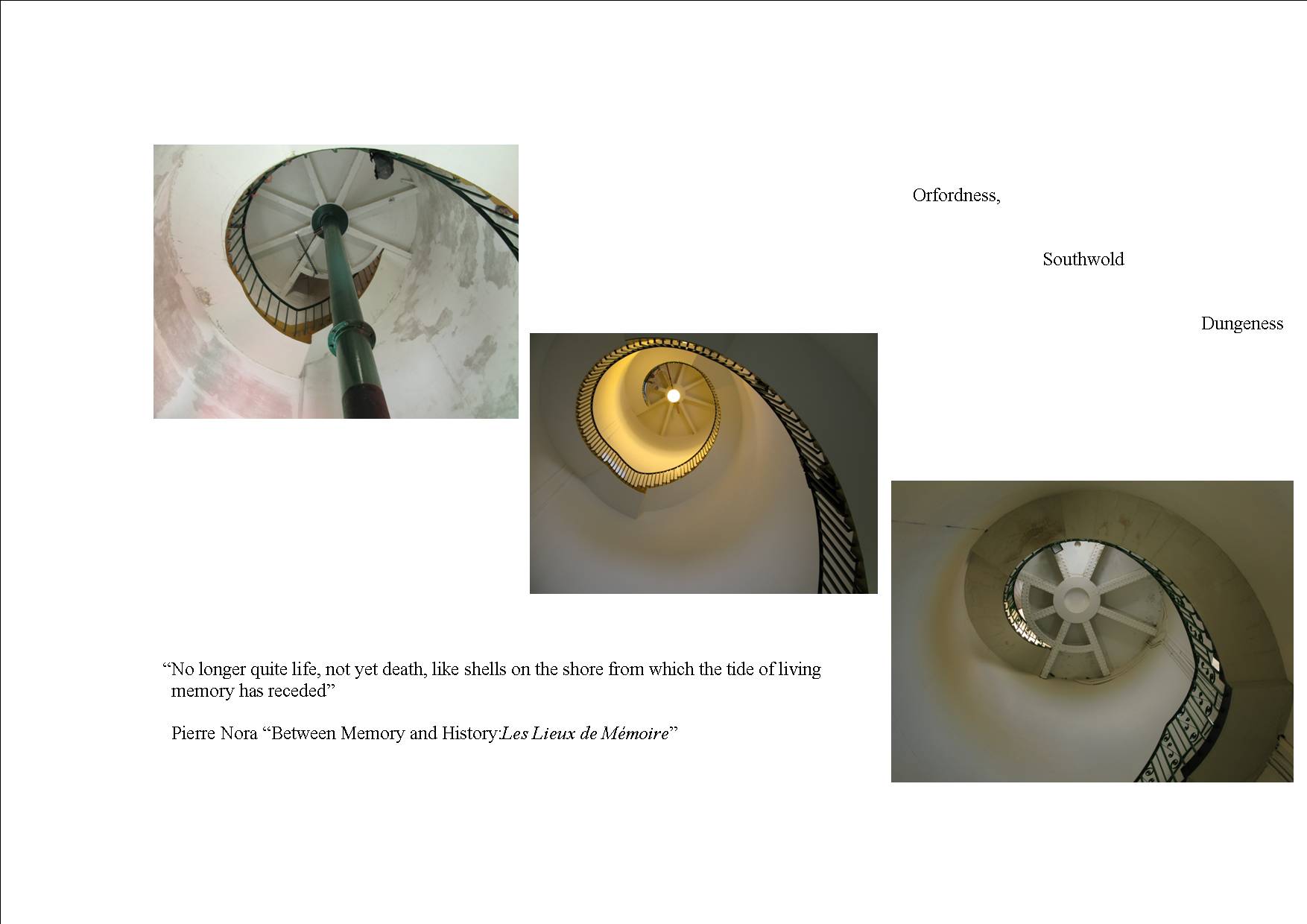
Eros/ion ©Gen Doy, three photographs of different spiral staircases taken from the ground looking up and text.
Eros/ion ©Gen Doy. Page from an artist book.
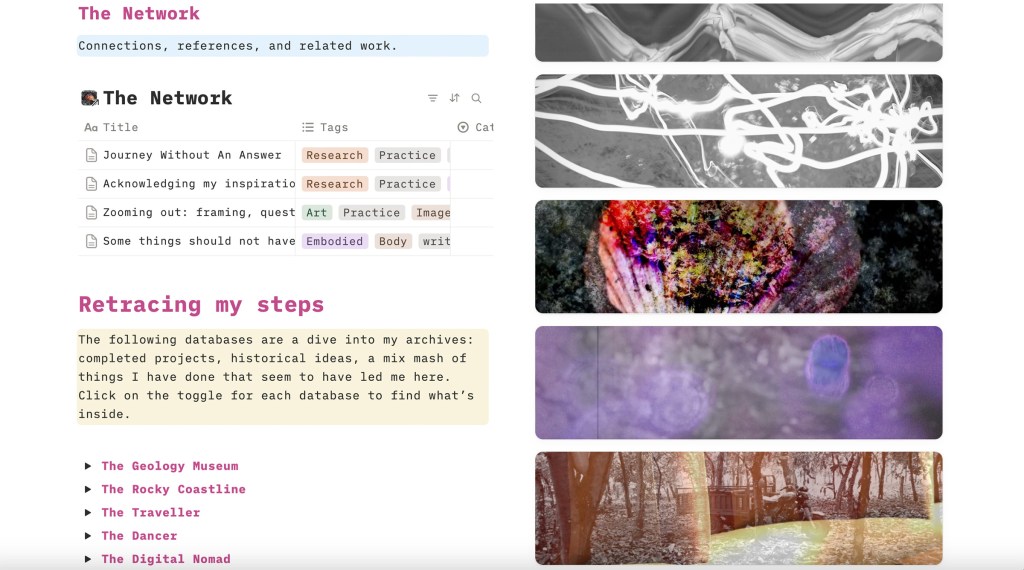
Joined up geoscience project ©Jane Robb. Website.
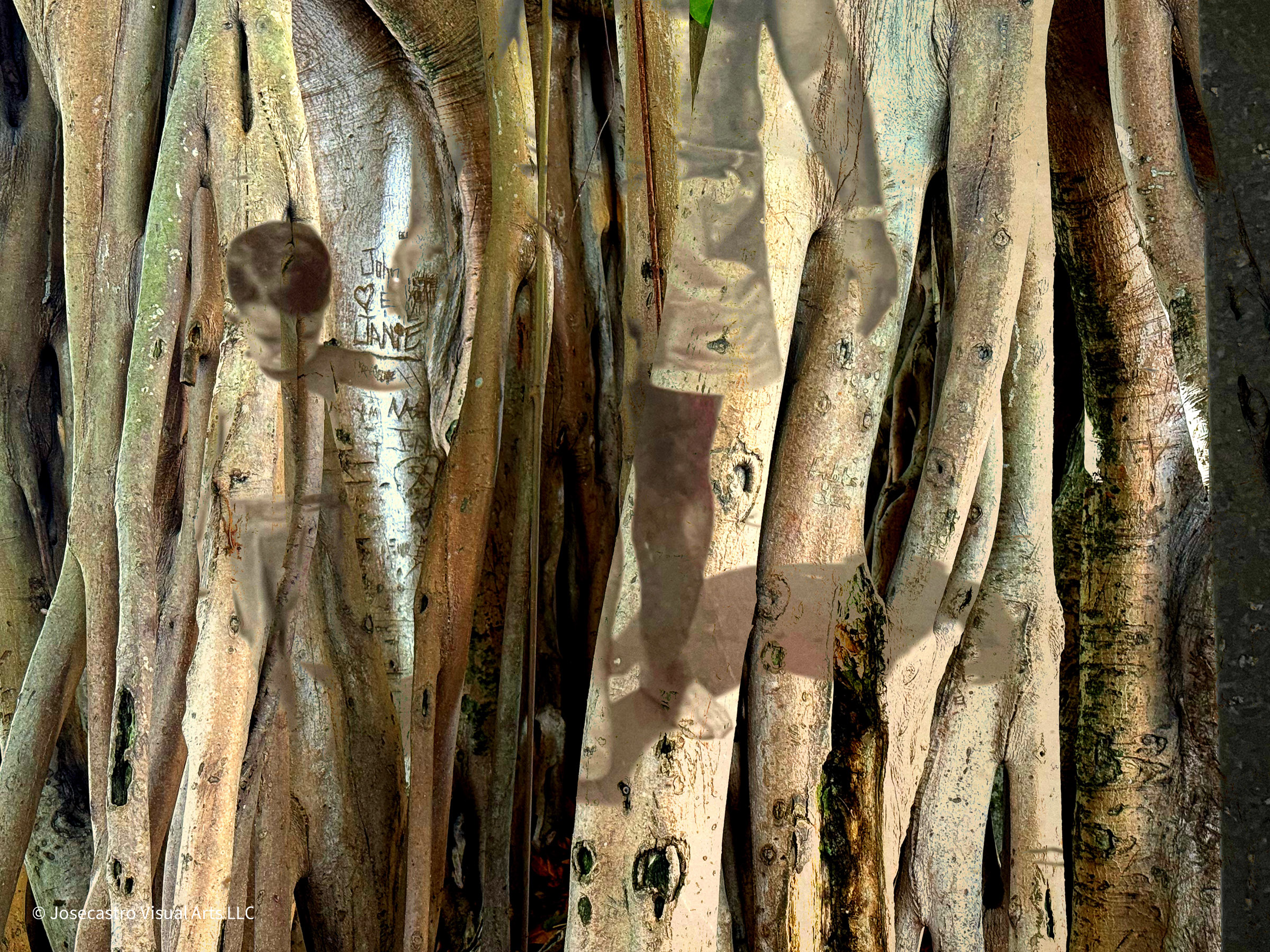
Rooted in memory ©Jose Castro, digitally layered images of a family photography of a child holding a man's hand with a matrix of tree roots.
Rooted in memory ©Jose Castro. Digital photomontage.

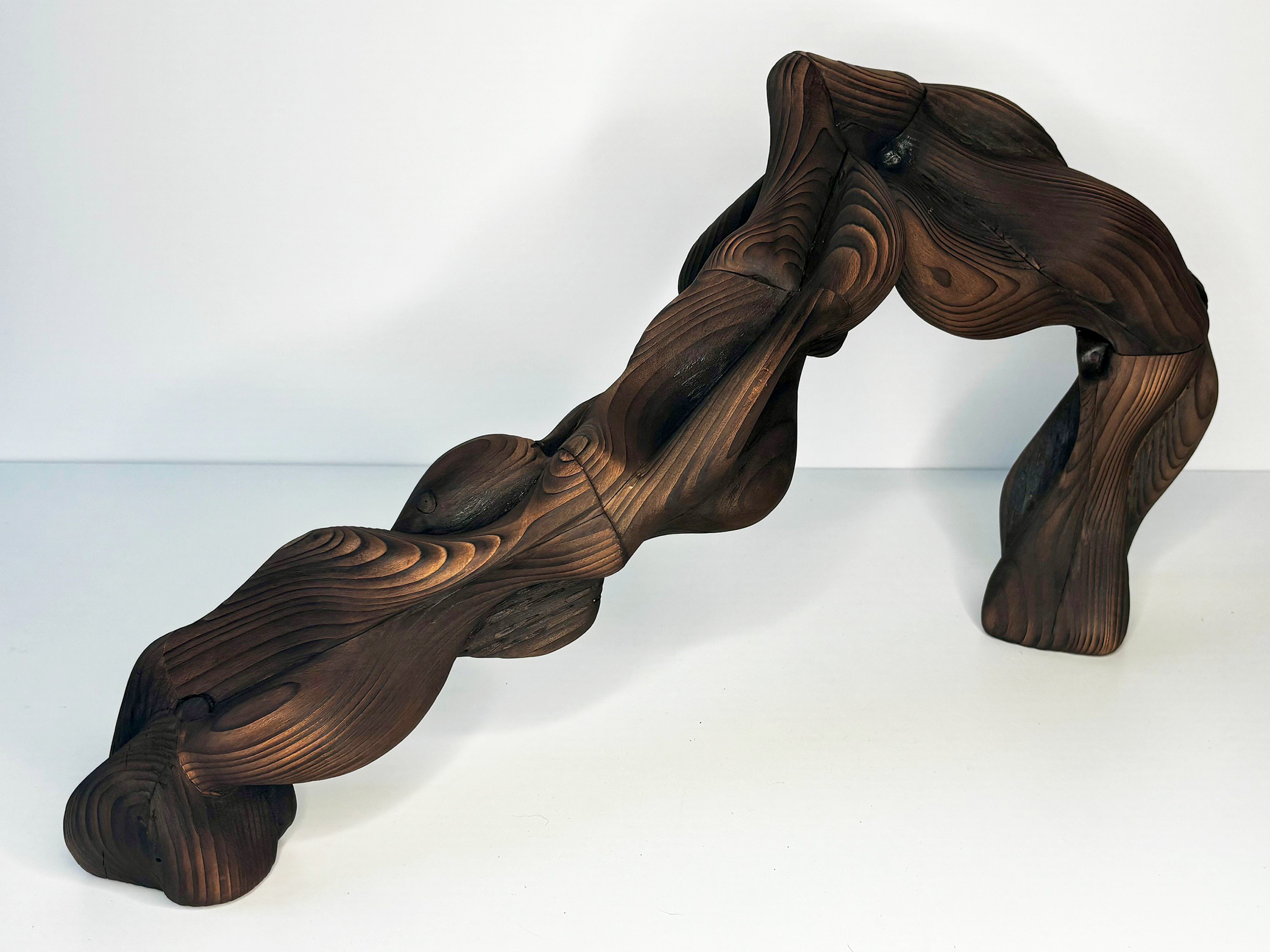
...Stretch...©Liz Mills, an abstract wooden sculpture that looks like an arched and knobby branch
…Stretch…©Liz Mills. Pine timber.
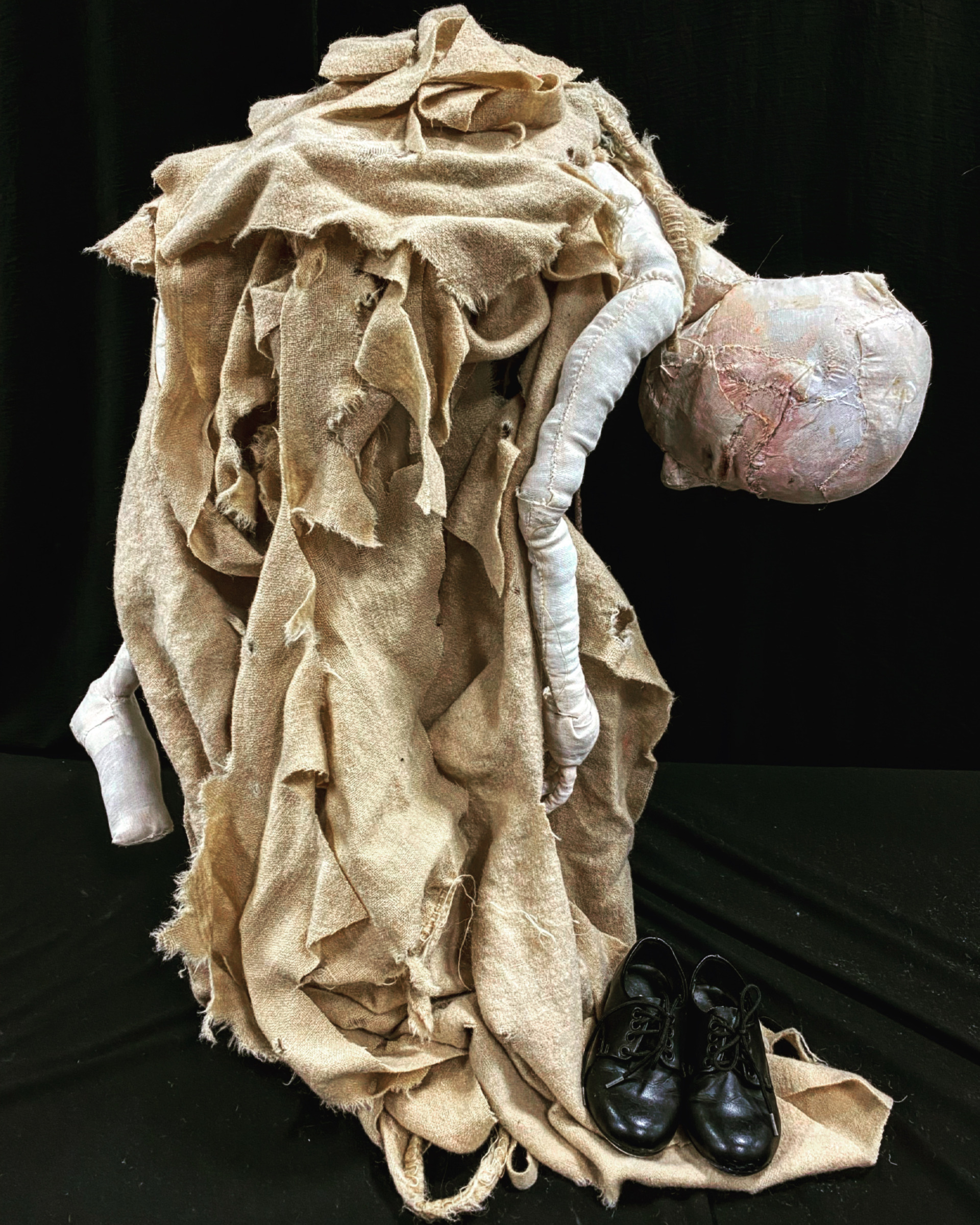
Engulfment ©Teresa Wilson, a soft sculpture doll dressed in rags bending down to pick up a pair of black Oxford shoes.
Engulfment ©Teresa Wilson. Metal pole, old woollen blanket, mixed textiles, wire, tap shoes.

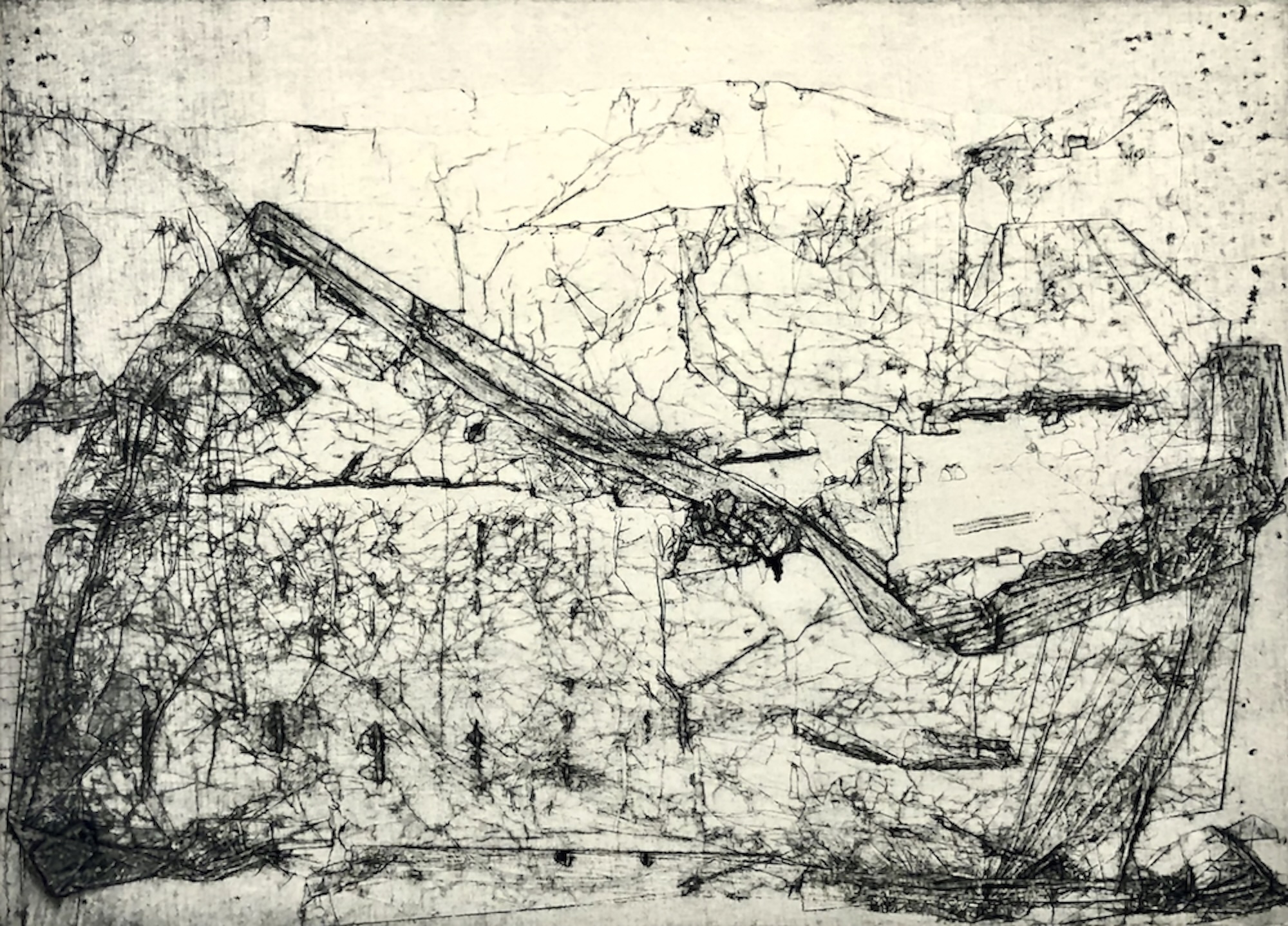
Topographical dream with fold ©Alan Jenkins,
Topographical dream with fold ©Alan Jenkins. Foil on steel printed on Hahnemühle 300g etching paper.
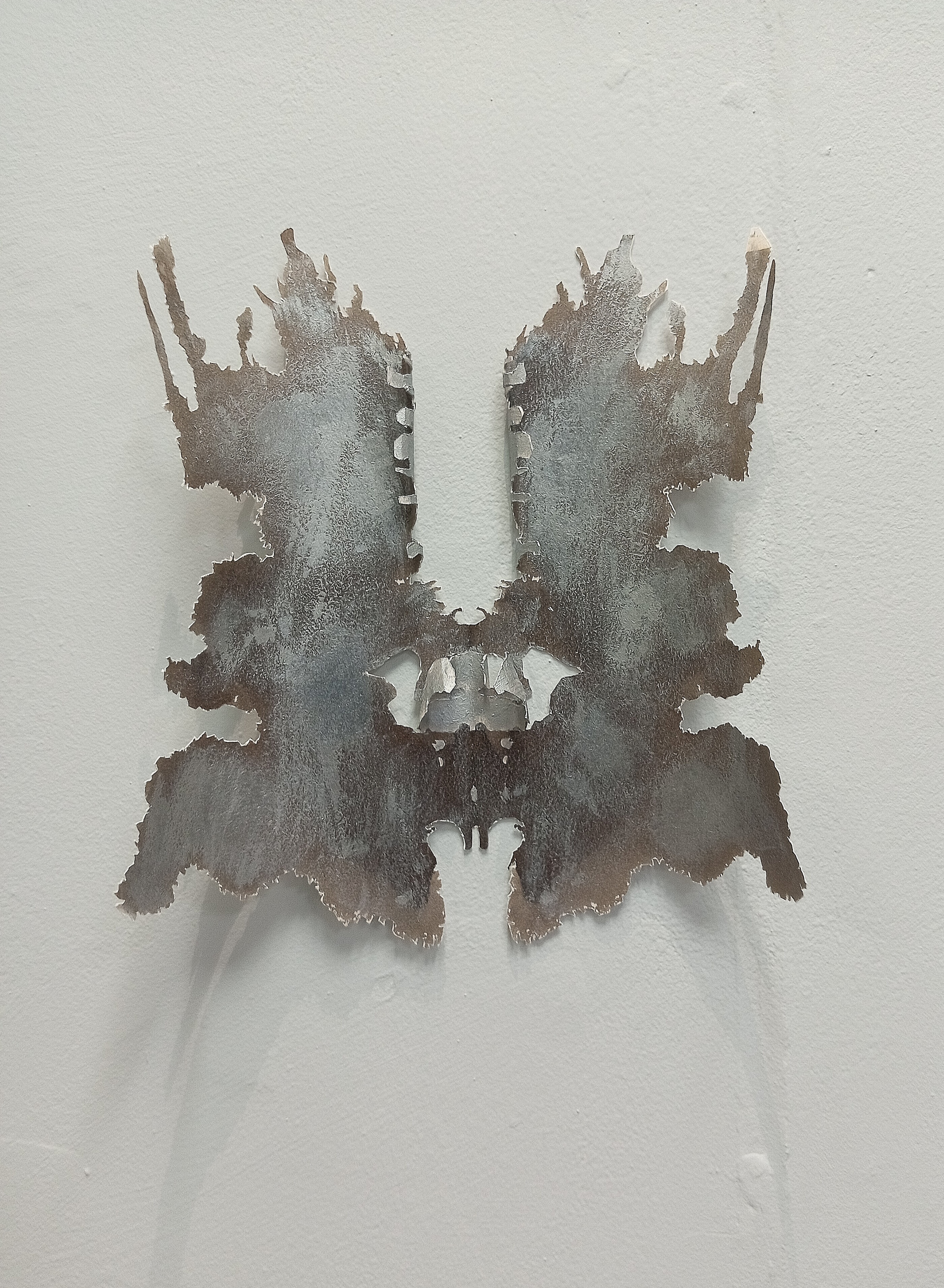
Untitled 1 ©Mary Sheehan, a smokey grey Rorschach cutout form attached to a white paper background giving a 3D effect and shadows.
Untitled #1 ©Mary Sheehan. Mixed media including paper, acrylic paint, ink, glue.

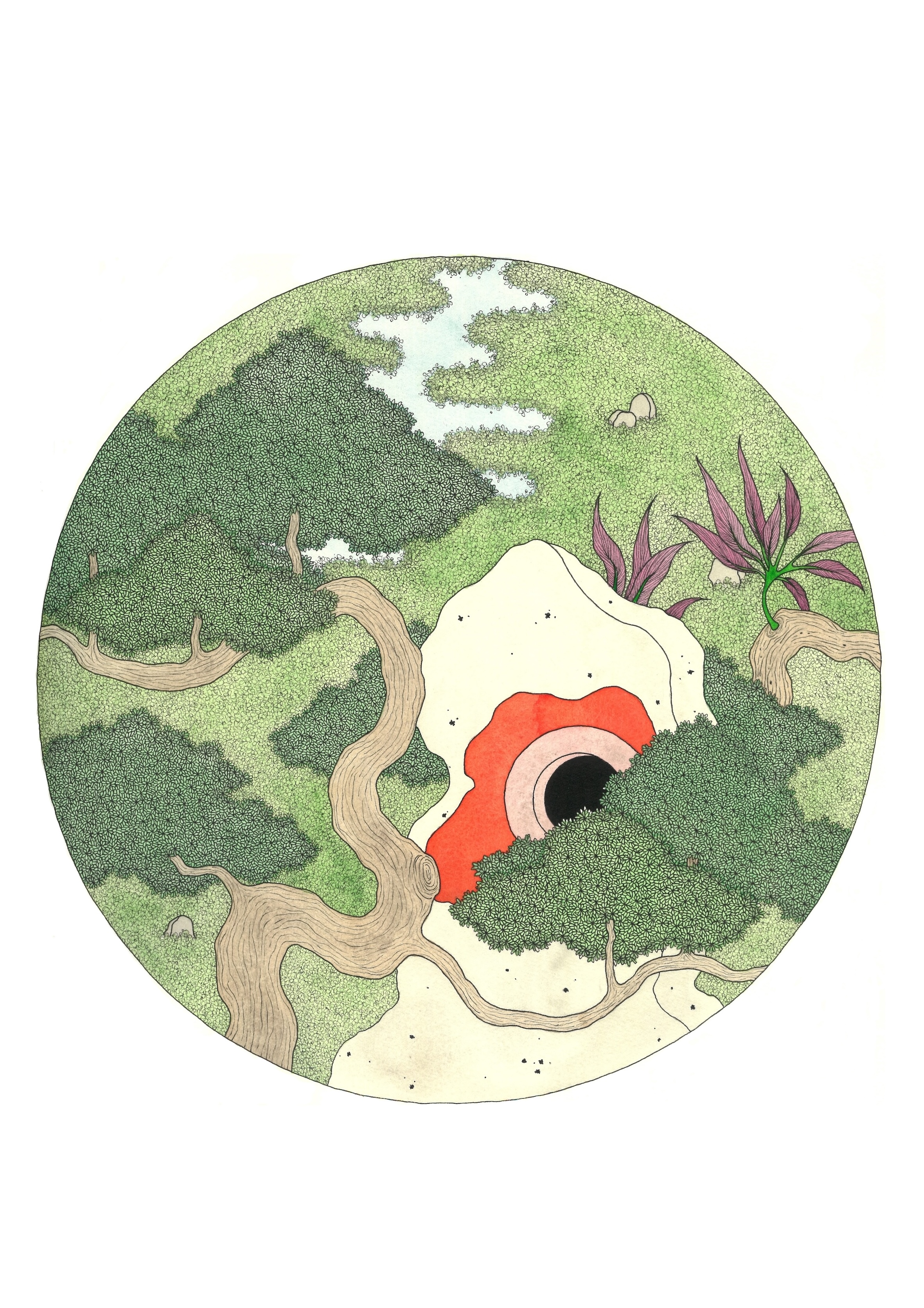
Irrational Decimals ©Lee Jia-An, a landscape watercolour of snaking tree branches, a cave, and waterway in a green field.
Irrational decimals ©Lee Jia-An. Watercolour.

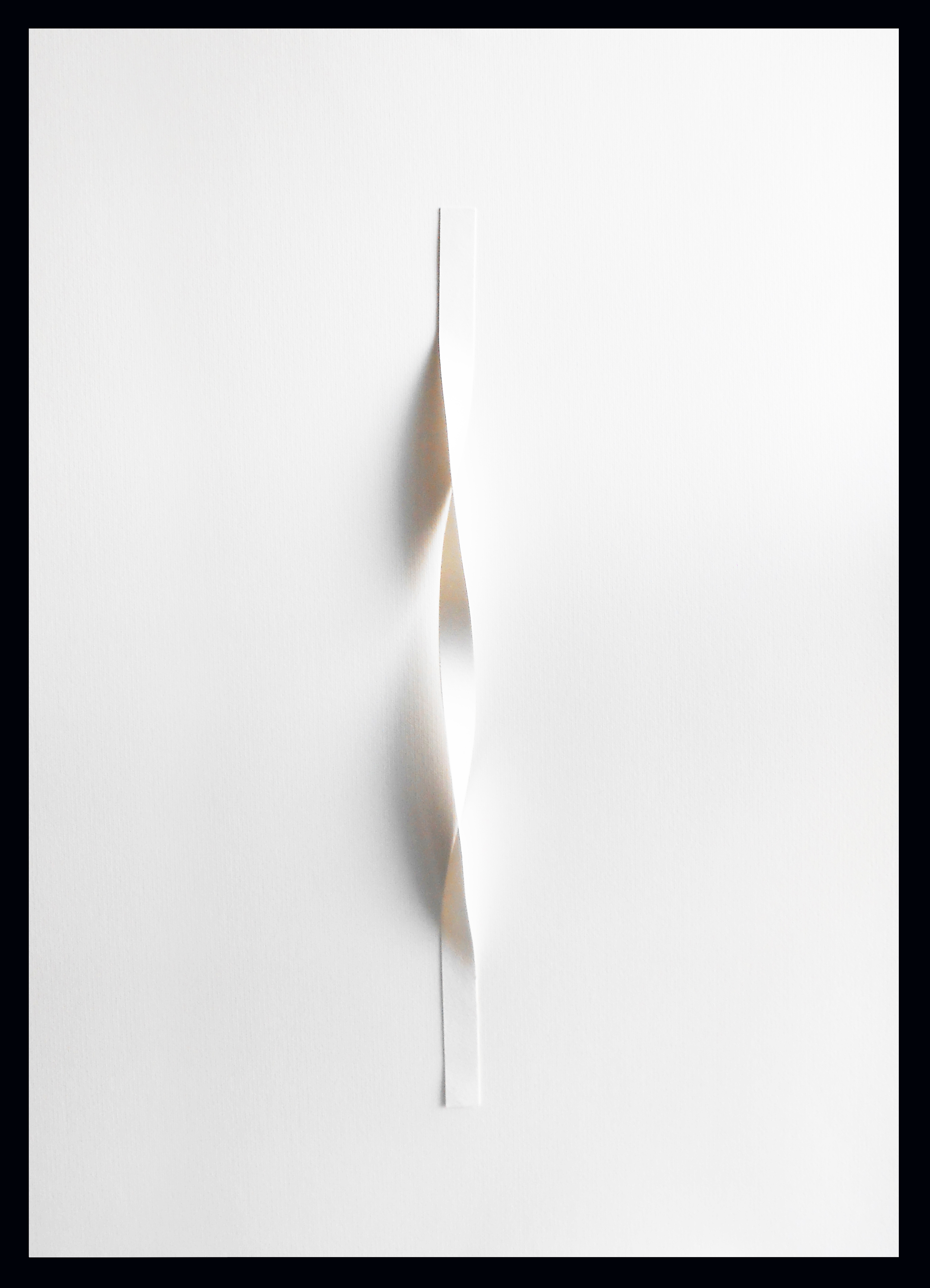
Bi-flexion ©Luciano Caggianello, a thin strip of twisted white paper attached at the ends to a white background page creates a 3D form casting shadows out of 2D materials.
Bi-Flexion ©Luciano Caggianello. Manipulated paper.
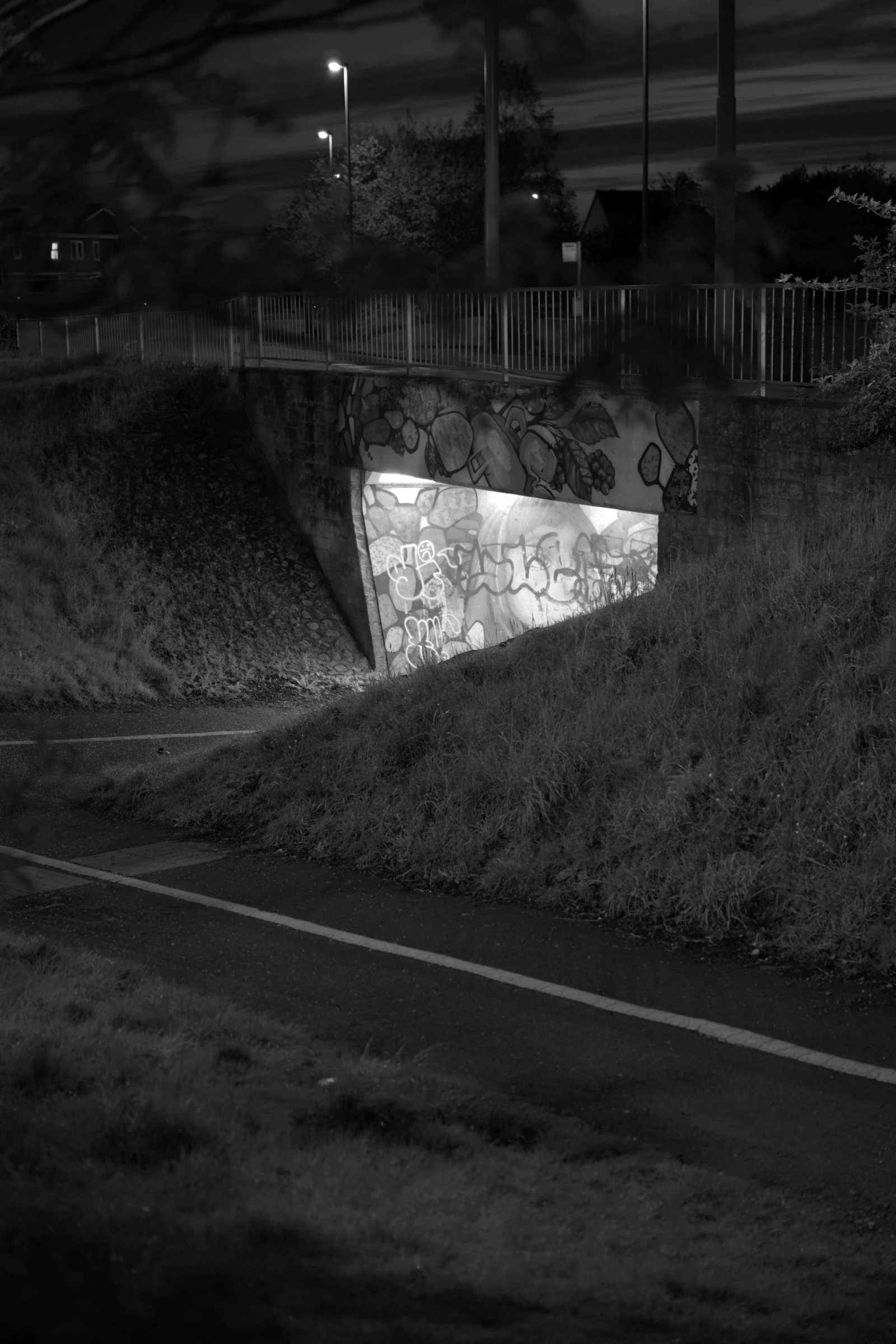
From the series ‘Estate of Magick’ ©Peter Bonnell, a black and white photograph taken at night in a British council estate of a lighted pedestrian underpass with graffiti.
From the series ‘Estate of Magick’ ©Peter Bonnell. Photography.

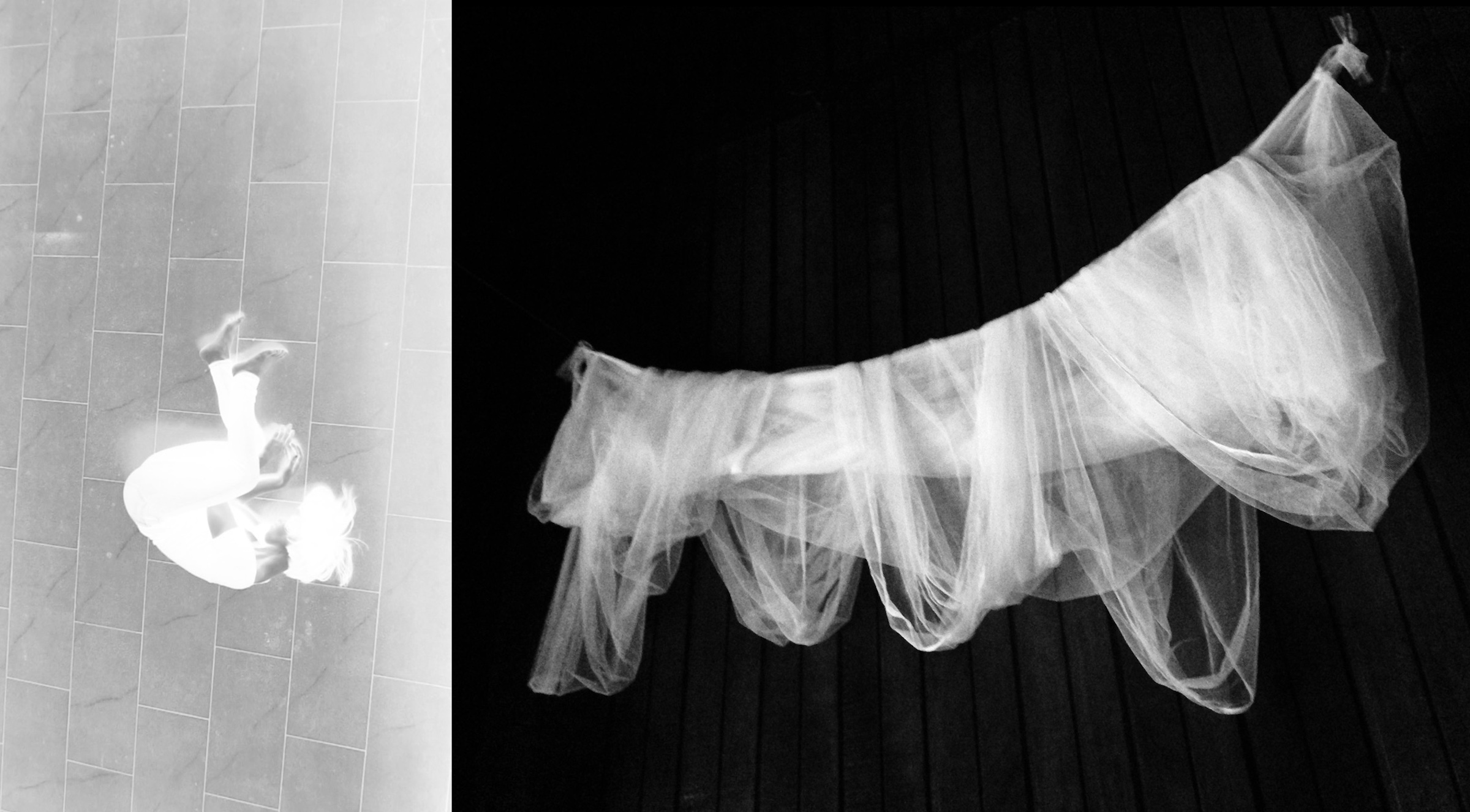
Hanging f/olds ©Susan Sentler, a photographic diptych of a human in a folded position lying on the floor at maximum exposure paired with a draped white mosquito netting against a black background.
Hanging f/olds ©Susan Sentler. Photographic diptych.
Unfolding ©Alison O’Neill. Video art.

Bibliography

Cambridge University Press & Assessment (CUPA), 2026. Cambridge dictionary. (online) Cambridge: Cambridge University Press & Assessment. Available at: https://dictionary.cambridge.org/dictionary/english/immanence [Accessed: 2 May 2026].

Conley, T. 2006. Translator’s foreword. In: G. Deleuze, 1993. The fold: Leibniz and the baroque. London: Continuum.

Deleuze, G., 2001. Difference et repetition (DR). Translated by P. Patton. New York/London: Continuum.

Deleuze, G., 2004. Desert islands and other texts. (pdf) Los Angeles: Semiotext(e), p.262. Available at: https://monoskop.org/images/2/23/Deleuze_Gilles_Desert_Islands_and_Other_Texts_1953-1974.pdf [Accessed: 2 May 2026].

Deleuze, G., 2006, The fold: Leibniz and the baroque. London: Continuum.

Deleuze, G. and Guattari, F., 1994. What is Philosophy (WP). Translated by H. Tomlinson and G. Burchill. London/New York: Verso.

Lœrke, M., 2010. Four things Delueze learned from Leibniz. In: S. van Tuinen and N. McDonnell, eds., 2010. Deleuze and The Fold: A critical reader. Basingstoke/New York: Palgrave Macmillan, pp.25-45.

Van Tuinen, S., and McDonnell, N., eds., 2010. Deleuze and The Fold: A critical reader. Basingstoke/New York: Palgrave Macmillan.